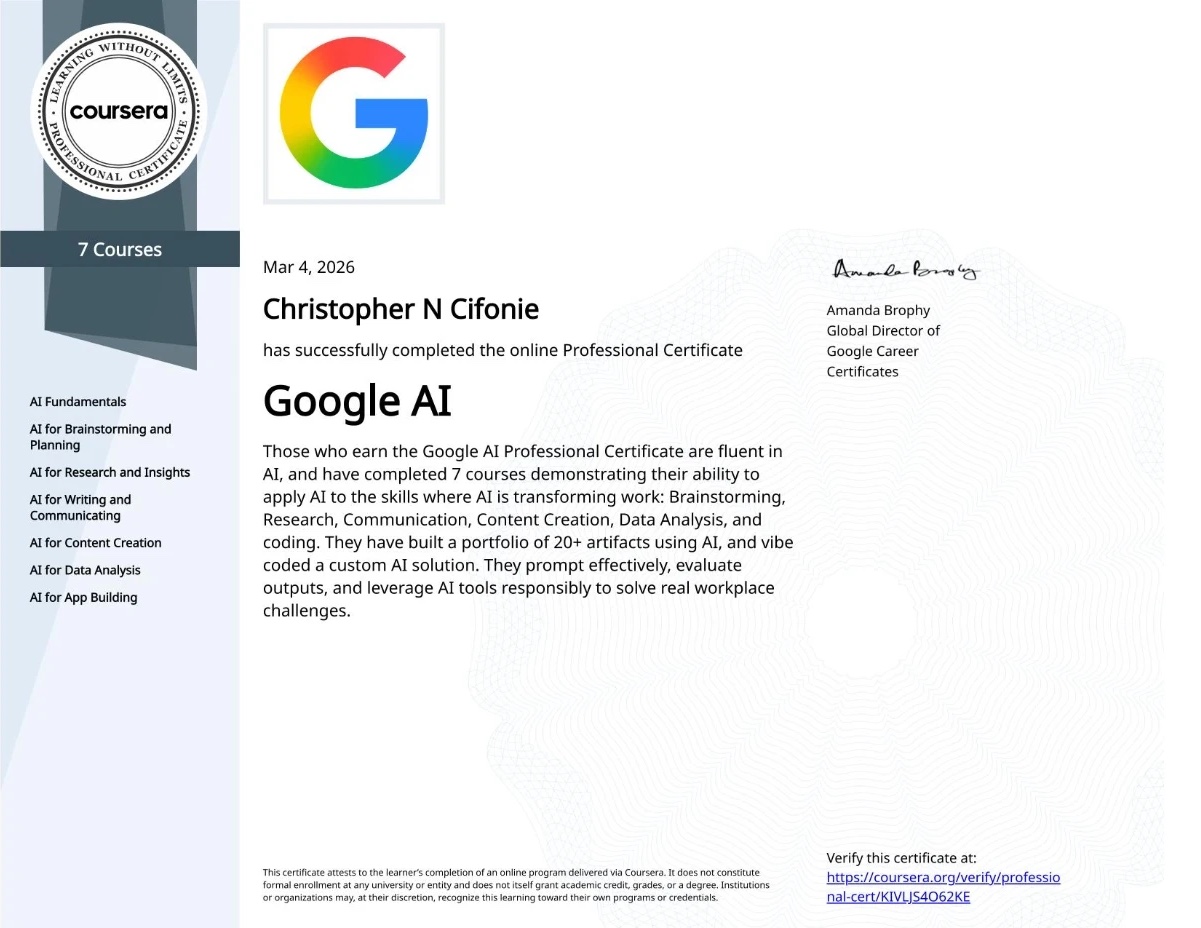
Google AI Professional Certificate (opens in a new tab)
Seven courses covering AI-assisted research, planning, data analysis, and app building.
I’ve spent more than 20 years designing for the web, and the part I still enjoy most is getting hands-on with the work.
I like taking complicated problems, working through the details, and turning ideas into interfaces that feel simple and intuitive. Whether I’m designing in Figma, building responsive layouts with HTML and CSS, or refining the behavior of a component, I enjoy making things work.
My experience spans e-commerce, enterprise applications, interaction design, and accessibility. I’ve also led UX teams and worked closely with product managers, developers, and business stakeholders to bring complex projects to life.
These days, I’m especially interested in creating interfaces, reusable components, and accessible experiences that work well across devices.

Outside work, I follow Formula 1, play story-driven games, experiment with photography, and enjoy quiet time with my family.

Composition, contrast, light, and negative space. The same principles that shape my product work show up behind the lens. Photography helps me slow down and notice the details that shape an experience.
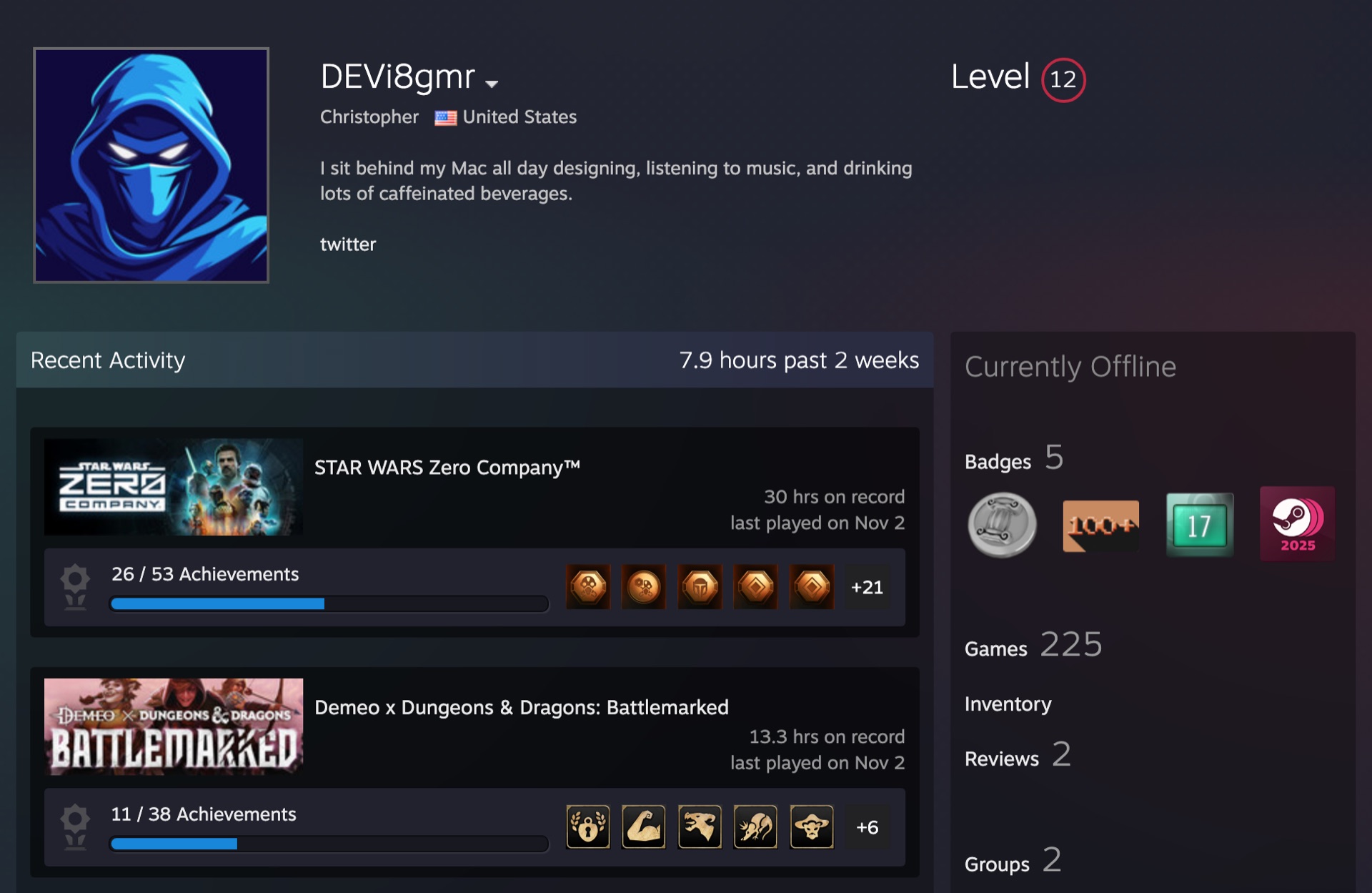
Story-driven games are where I see story, pacing, and feedback working together. The best ones teach without a manual, guiding players through complex systems one clear moment at a time. That’s the same bar I hold my product work to.
Here’s what I’ve been studying to sharpen my work in design and accessibility.
Seven courses covering AI-assisted research, planning, data analysis, and app building.
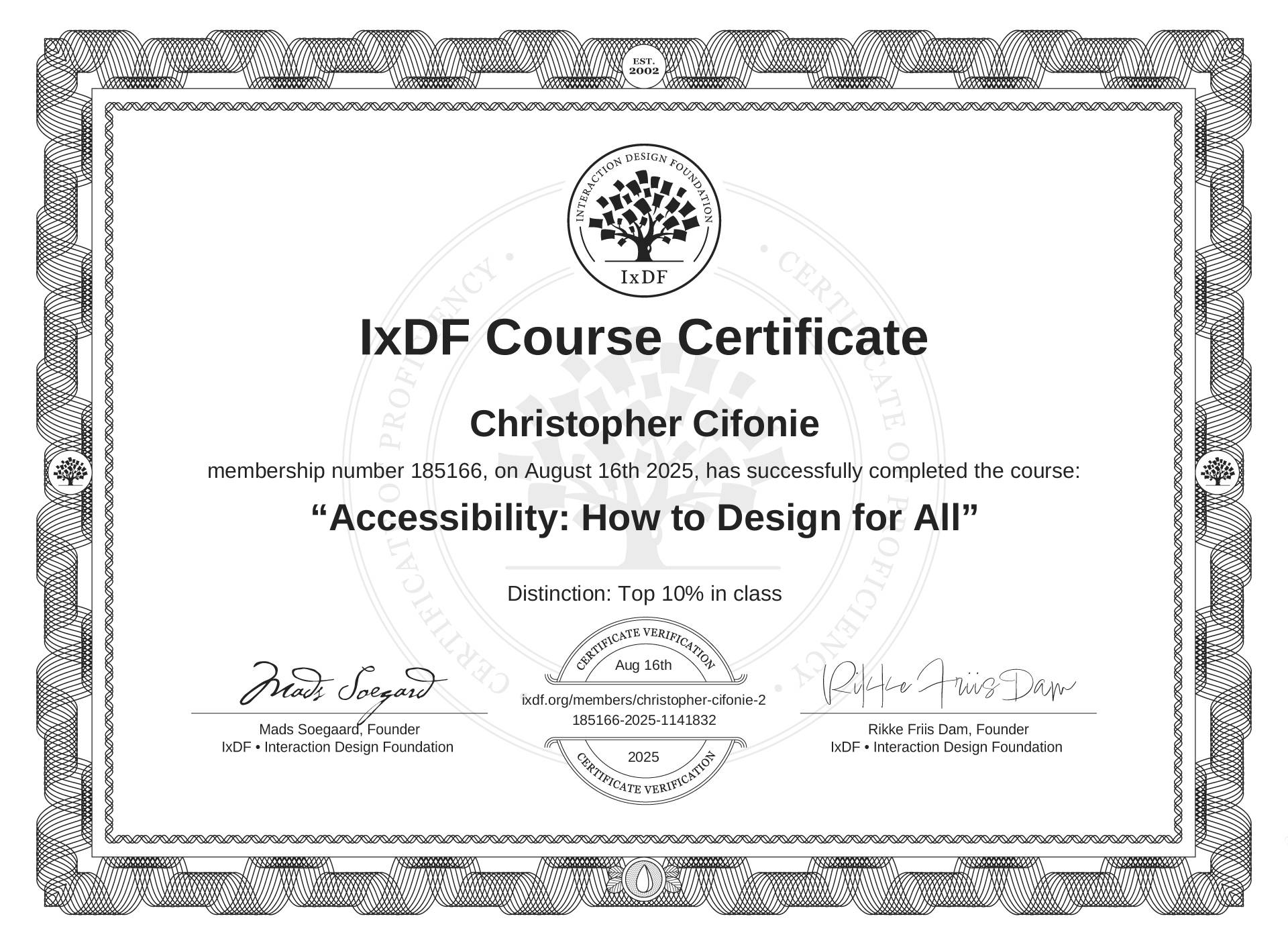
Advanced accessibility training focused on WCAG standards, inclusive interaction patterns, and designing for assistive technologies.
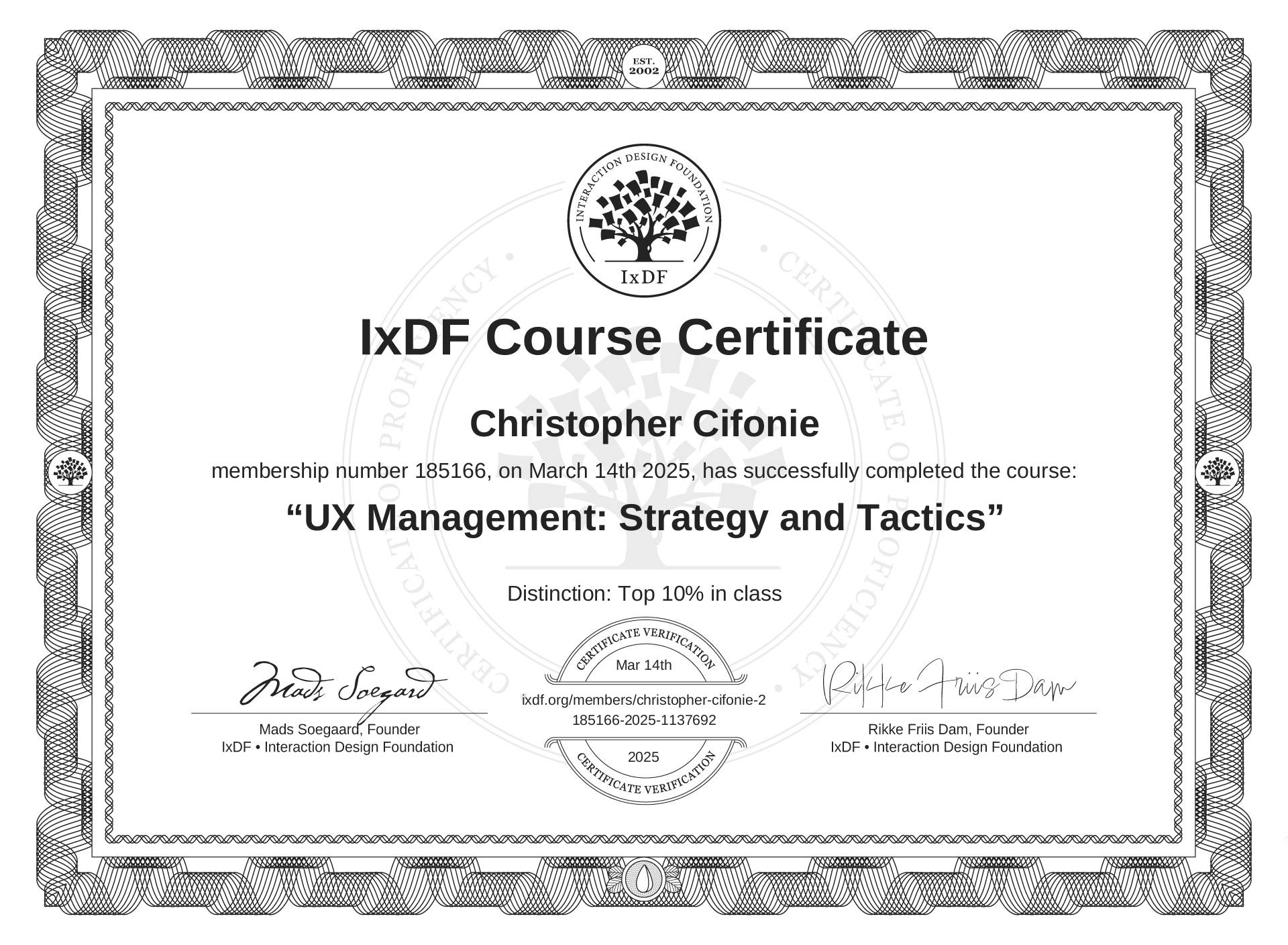
UX leadership training covering team growth, design operations, stakeholder alignment, and product strategy execution.
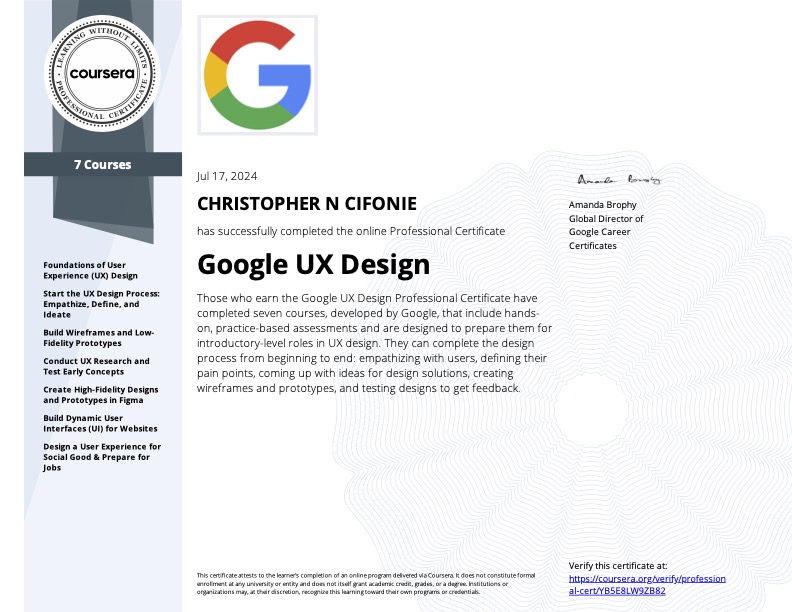
End-to-end UX certification covering research, ideation, wireframing, prototyping, usability testing, and high-fidelity interface design.